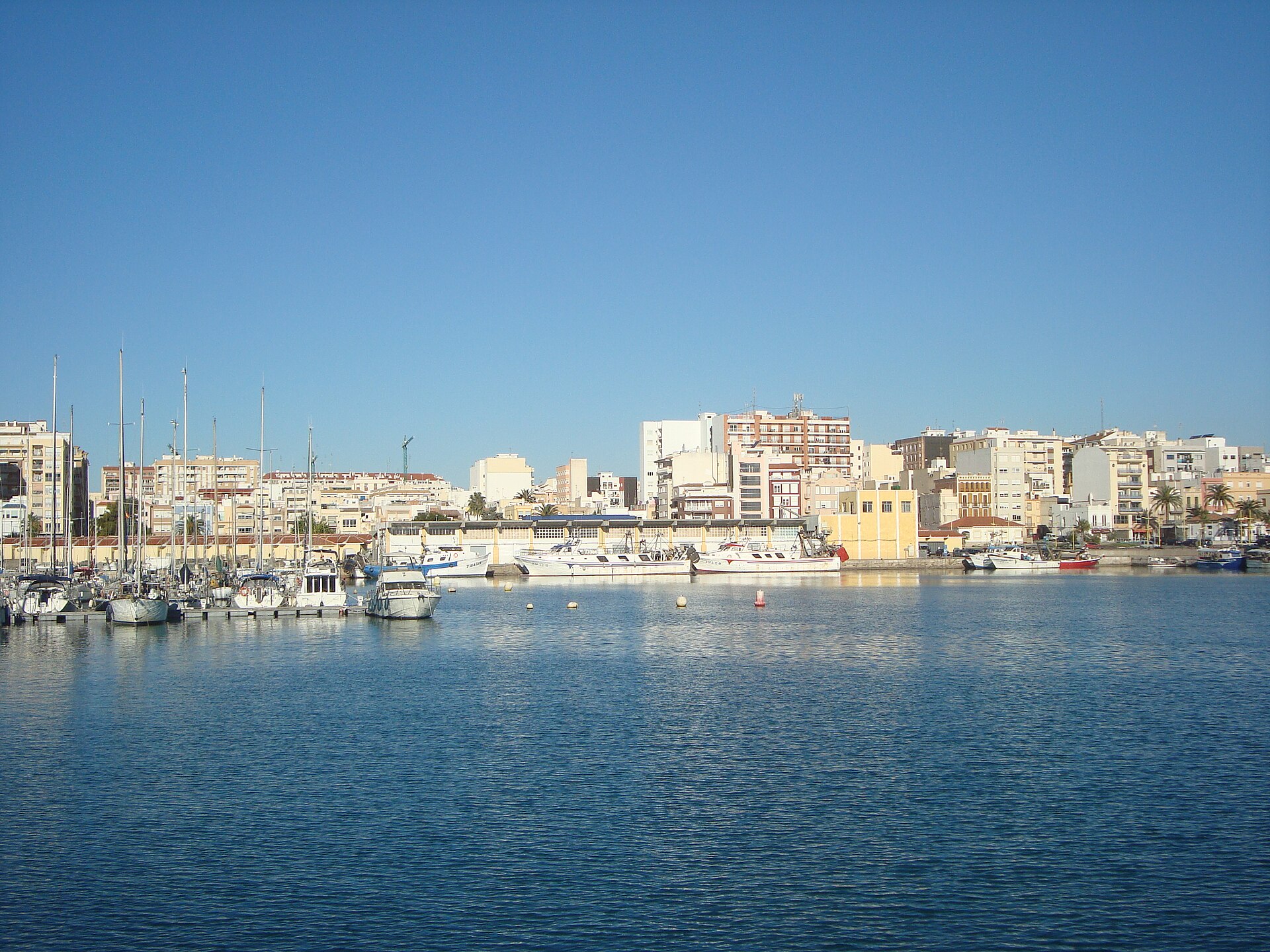
Vinaròs spreads across the plain known as the Pla de Vinaròs, on the Mediterranean shore some 80 kilometres north of Castellón. Its more than 96 square kilometres combine farmland, town beaches and small coves, with a mild climate in both winter and summer.
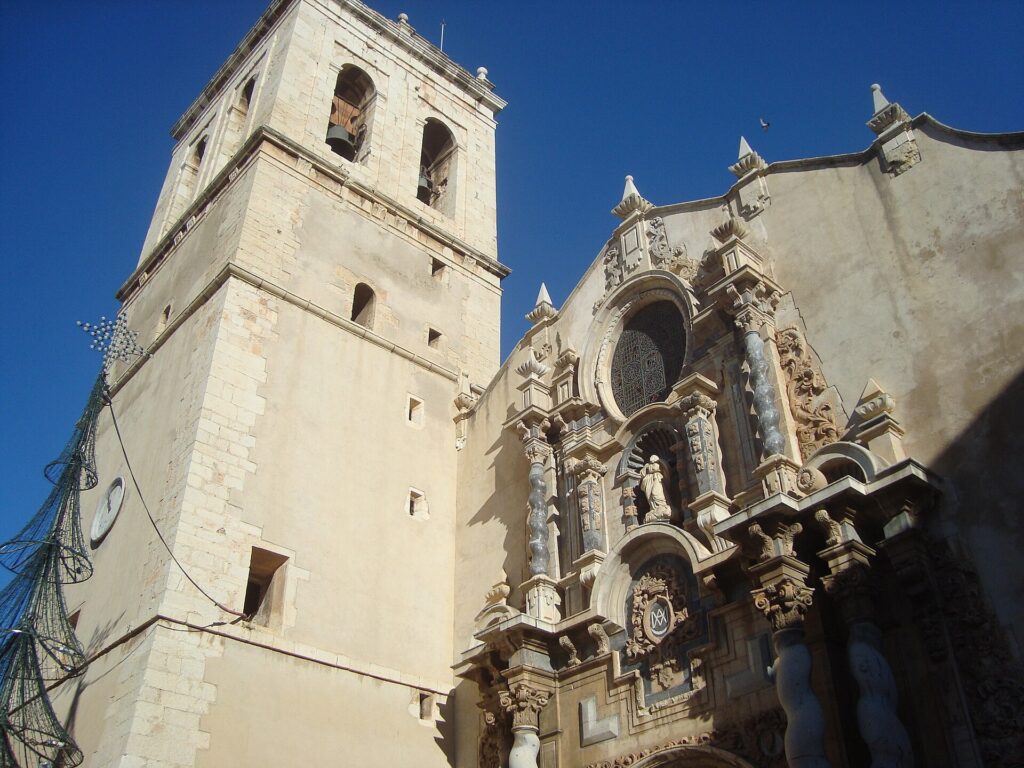
The old quarter doubles as the city's shopping district, its narrow lanes leading to the Archpriest Church of the Assumption, its great artistic gem, with a spectacular Baroque portal. The seafront promenade, the fish market and the fishing port, where fresh fish is auctioned every afternoon, complete an essential visit.
On the Puig hill stand the remains of a fortified Iberian settlement with an unusual field of upright stones to stop cavalry. Vinaròs received its charter on 29 September 1241 from Ramón de Alós, to whom James I had granted these lands. Walled in the 14th century, it grew in the 16th thanks to maritime trade, became a town in 1540, earned the title "Very Noble and Loyal" in 1862 and city status in 1881.
Vines were its main crop until phylloxera gave way to carob, olive and almond trees and, later, citrus. Fishing has always been one of its mainstays, along with the furniture industry, commerce and the services of a district capital.